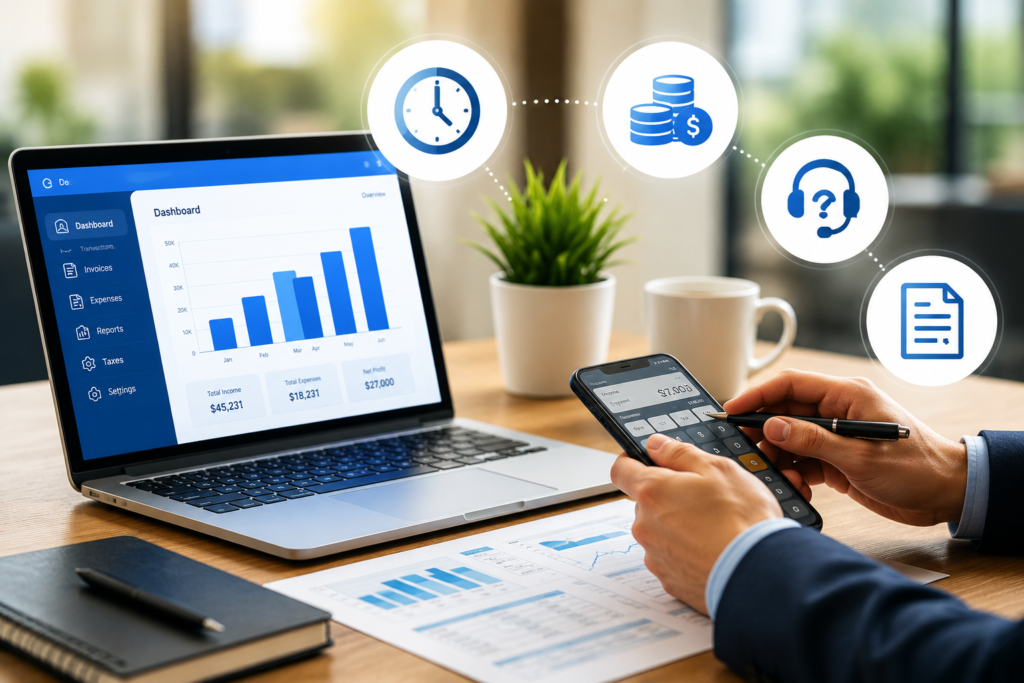
Managing business finances involves more than earning revenue. Businesses must also ensure that customers pay their invoices on time. When payments are delayed, companies may struggle to manage daily expenses, pay suppliers, and maintain healthy cash flow. This is why accounts receivables play an important role in business accounting and financial management.
In this blog, we will explain what accounts receivables are, why they matter, and how businesses can manage them effectively.
What Are Accounts Receivables?
Accounts receivables refer to the money a business is entitled to receive from customers for products or services provided on credit. When a business delivers a product or completes a service but allows the customer to pay later, the unpaid amount becomes an account receivable.
For example, if a company provides services worth $2,000 to a customer and offers 30 days to pay, the $2,000 is recorded as accounts receivable until the payment is received.
Accounts receivable are generally recorded as current assets on the balance sheet because businesses expect to collect these payments within a short period.
Why Are Accounts Receivables Important?
1. Improve Cash Flow Management
Timely customer payments help businesses maintain sufficient cash for salaries, rent, inventory, and other operating expenses. Effective accounts receivable management reduces payment delays and supports smoother daily operations.
2. Reduce Outstanding Payments
Tracking unpaid invoices helps businesses identify overdue accounts and follow up with customers before payment delays become serious. Regular reminders and clear payment terms can encourage customers to pay on time.
3. Build Better Customer Relationships
A well-organized invoicing and collection process helps prevent misunderstandings. Clear invoices, accurate billing information, and professional communication make payment easier for customers while maintaining positive business relationships.
4. Support Financial Planning
When businesses know how much money they expect to receive and when payments are due, they can plan budgets and expenses more effectively. Accurate receivables records also help business owners understand their financial position.
Common Accounts Receivable Challenges
Many businesses experience difficulties while managing customer payments. Common challenges include late payments, incorrect invoices, missing transaction records, poor follow-up procedures, and disputes over billing amounts.
These issues can increase administrative work and create cash flow problems. If overdue invoices are not monitored regularly, businesses may also face a higher risk of uncollectible payments.
Best Practices for Managing Accounts Receivables
A few doable actions might help businesses enhance their accounts receivable process:
- Send invoices promptly: Issue accurate invoices as soon as products or services are delivered.
- Set clear payment terms: Communicate due dates, accepted payment methods, and late-payment policies.
- Follow up regularly: Send polite reminders before and after invoice due dates.
- Review aging reports: Identify overdue invoices and prioritize collection efforts.
- Maintain accurate records: Record payments correctly and reconcile customer accounts regularly.
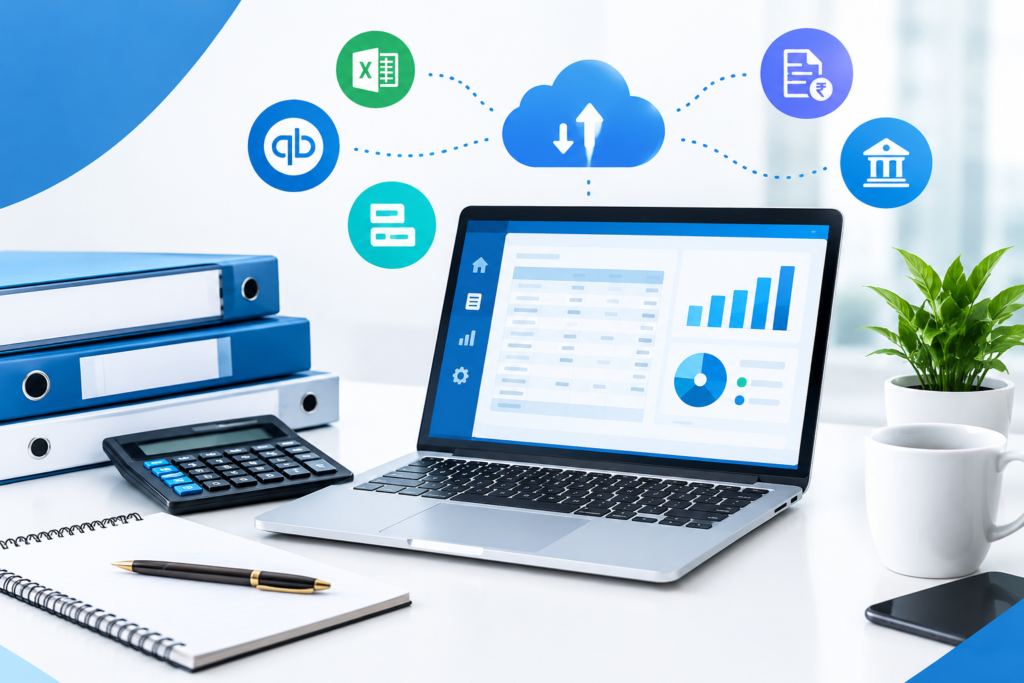
- Use accounting software: Tools such as QuickBooks and Zoho Books can help track invoices, monitor outstanding balances, and generate financial reports.
How Accounts Receivable Services Help Businesses
Professional accounts receivable services help businesses manage invoicing, monitor unpaid balances, follow up on outstanding payments, and maintain organized customer records.
By outsourcing these tasks, internal teams can experience less administrative strain and have better visibility into anticipated payments. It can be particularly useful for small businesses that lack a dedicated accounting department.
However, businesses should choose a service provider based on its experience, communication practices, data security measures, and understanding of their accounting requirements.
Conclusion
Accounts receivables are an essential part of managing business finances because they represent money customers owe to a company. Monitoring invoices, following up on overdue payments, and maintaining accurate records can improve cash flow and reduce financial uncertainty.
By adopting effective collection practices and using suitable accounting software or professional accounts receivable services, businesses can manage customer payments more efficiently and focus on long-term growth.